
Healing After Trauma: What Happens and What Helps
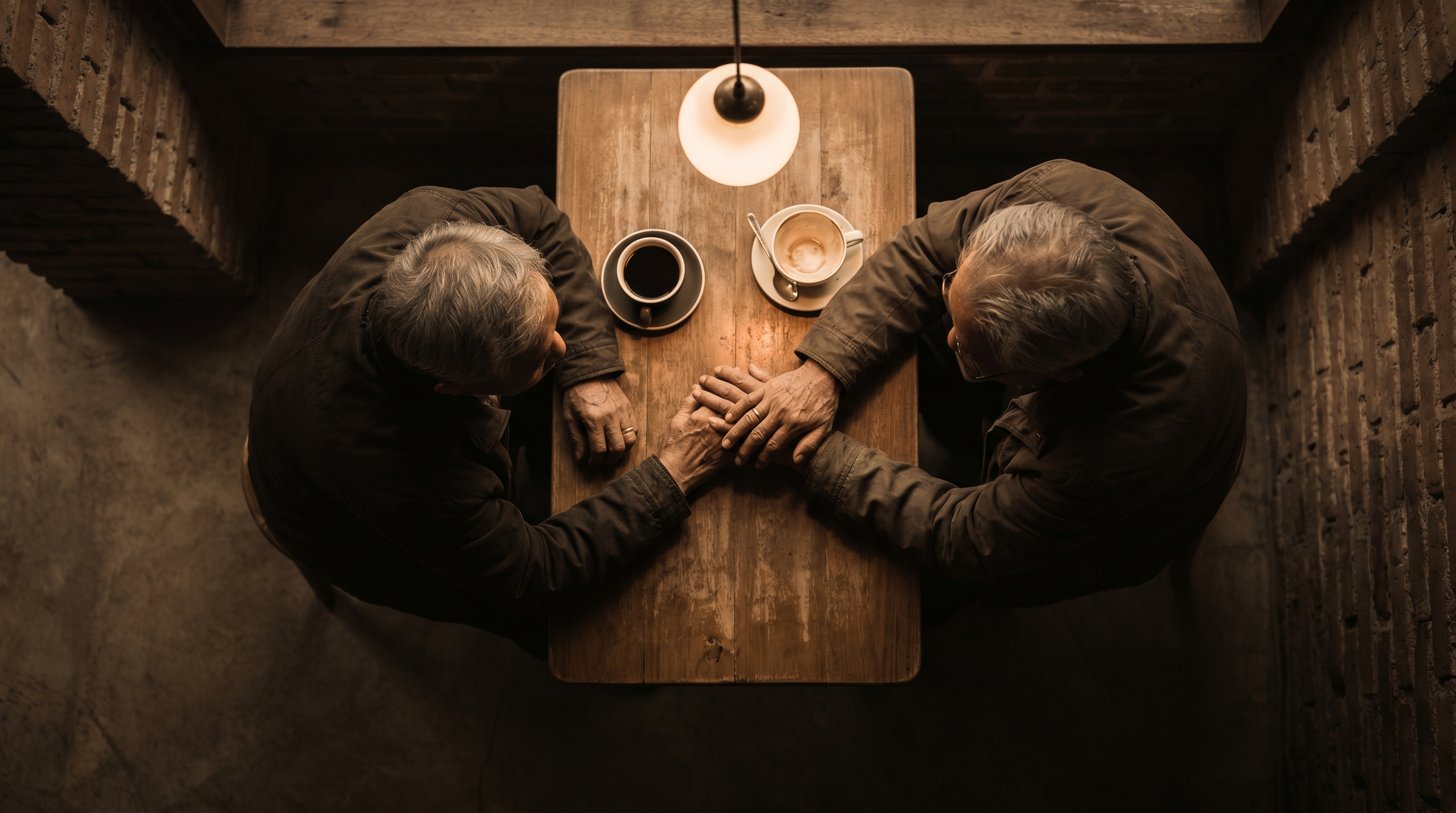
When the Danger Is Gone but the Fear Stays
A car crash, an assault, a sudden death in the family, a fire, a flood. The event itself may have lasted minutes. The effects can last months or years. Many people feel confused by that gap. They tell themselves they should be over it by now, and then feel worse for not being over it.
Lingering distress after a frightening event is common, and it says nothing bad about your strength. Your brain did its job. It went into survival mode to protect you. The trouble is that it can stay in that mode after the threat is long gone.
That is also why "just talk about it" or "move on" so often falls flat. Trauma shows up in sleep, muscles, heart rate and gut, as well as in thoughts. Good care pays attention to all of it.
How Your Built-In Alarm Gets Stuck
Picture a smoke detector that goes off every time someone makes toast. It is doing what it was built to do, only far too often. After trauma, the brain's threat system can work the same way. A slammed door, a certain smell, a crowded room or a tone of voice can set off the full fight, flight or freeze response.
When that happens over and over, it wears you down. Common signs include:
- Trouble falling or staying asleep, or nightmares
- Feeling jumpy, on guard or easily startled
- Avoiding places, people or topics that bring back the memory
- Feeling numb, cut off or far away from others
- Headaches, stomach trouble or tension that has no clear medical cause
None of these are random. They are the body trying to keep you safe from something that already happened. Naming them can take away some of the fear. You are not losing your mind. Your alarm is set too sensitive, and alarms can be reset.
Treatments With Real Evidence Behind Them
There is no single right way to recover, and people often combine more than one kind of help. Still, some treatments have much stronger research behind them than others, so it makes sense to know which ones.
Trauma-focused talk therapies have the strongest track record. These include trauma-focused Cognitive Behavioral Therapy (CBT), Cognitive Processing Therapy, Prolonged Exposure and Eye Movement Desensitization and Reprocessing (EMDR). Each one helps the brain file the memory as something from the past, so it stops feeling like a live threat. Clinical guidelines from the American Psychological Association and the VA recommend them.
Body-based approaches can sit alongside that work. Somatic therapy, trauma-sensitive yoga, regular exercise and steady sleep routines help calm a nervous system that has been on high alert. Some people also find acupuncture or massage soothing. Research on these is smaller, so think of them as support, not a replacement for trauma therapy. If movement helps you, the Atlas lists yoga, pilates and dance studios and trainers near you.
Newer options are still being studied. Neurofeedback has early research with mixed results. Psychedelic-assisted therapy, such as MDMA for PTSD, has been tested in clinical trials, but the FDA has not approved it, and it should only happen inside a supervised research setting. Be wary of anyone selling it as a proven cure.
For many people, faith is part of how they make sense of what happened. If that is true for you, a Christian counselor can offer trauma care that leaves room for your beliefs.
Safety Comes First
Recovery starts when your body begins to believe it is safe again. That takes time, and it often takes another person. According to the National Center for PTSD, about 6 out of every 100 people in the United States will have PTSD at some point in their lives. Many more have trauma symptoms that never reach a formal diagnosis but still get in the way of daily life.
That is why the fit with a therapist matters so much. Credentials count, but so does how you feel in the room. You should feel heard, never rushed. You should be able to set the pace. A good trauma therapist will ask what you want from treatment and explain each step before you take it.
If your home or relationship is not safe right now, that comes before anything else. The National Domestic Violence Hotline is 1-800-799-7233.
Small Things That Help Right Now
Professional help does the deeper work. In the meantime, these simple tools can bring you back to the present when a wave of fear hits.
Ground yourself with your senses. Name five things you can see, four you can touch, three you can hear, two you can smell and one you can taste. It pulls your attention out of the memory and into the room.
Move in a steady rhythm. Walking, rocking, swinging your arms or tapping your feet gives the nervous system something predictable to follow.
Make the out-breath longer. Breathe in for a count of four and out for a count of six. A slow exhale tells the body it can stand down.
Hold something cold or heavy. An ice cube, a cool glass of water or a weighted blanket gives a strong, simple signal your body can focus on.
If you ever think about ending your life, call or text 988 right away, any time of day. For everything else, take the next small step. Look through therapists who list trauma care, read their profiles, and reach out to one who feels right. You do not have to carry this alone.
Find a Practitioner Who Gets It
Mental health is more than therapy. Find practitioners who understand the mind-body connection.
Search DirectoryAre You a Practitioner?
List your practice on Whole Wellbeing Atlas and reach patients searching for whole-person care, across traditional, alternative, and progressive approaches.
List Your PracticeStay Connected
Get insights on holistic mental wellness delivered to your inbox.